
Will be a long brain dump of locations and my basic itinerary.
Also, WordPress somehow compresses the image to be blurry; open images in new tab to see originals.
All the locations mentioned are tagged here.
Day 1:
- Arrive at airport which didn’t take too long probably because it was a Monday that I landed. I’ve heard lines can get long for Friday and weekends. Border control was not difficult to navigate even with COVID restrictions. Don’t be dumb is my best advice here.
- Got my rental car from GoIceland. Seeing the poor reviews online, decided to get the extra insurance for peace of mind. If I were to do it again, I would rent from a more reputable source than this company. (Also, there’s Go Rentals, which is an entirely different company that I accidentally walked to lol).
- Drove to the supermarket Bonus, Icelandic Trader Joe’s, and got supplies. See tips below regarding food.
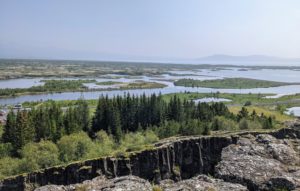
- First attraction I went to was Thingvellir National Park which was beautiful. In hindsight, it was not as impressive as the other views but rather serve as a historical monument. I recommend downloading the corresponding app which gives more details than the placards scattered about the park. Took only one hour to explore the park.
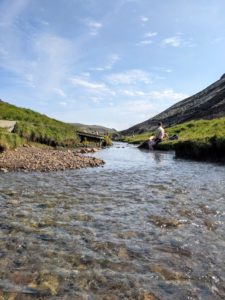
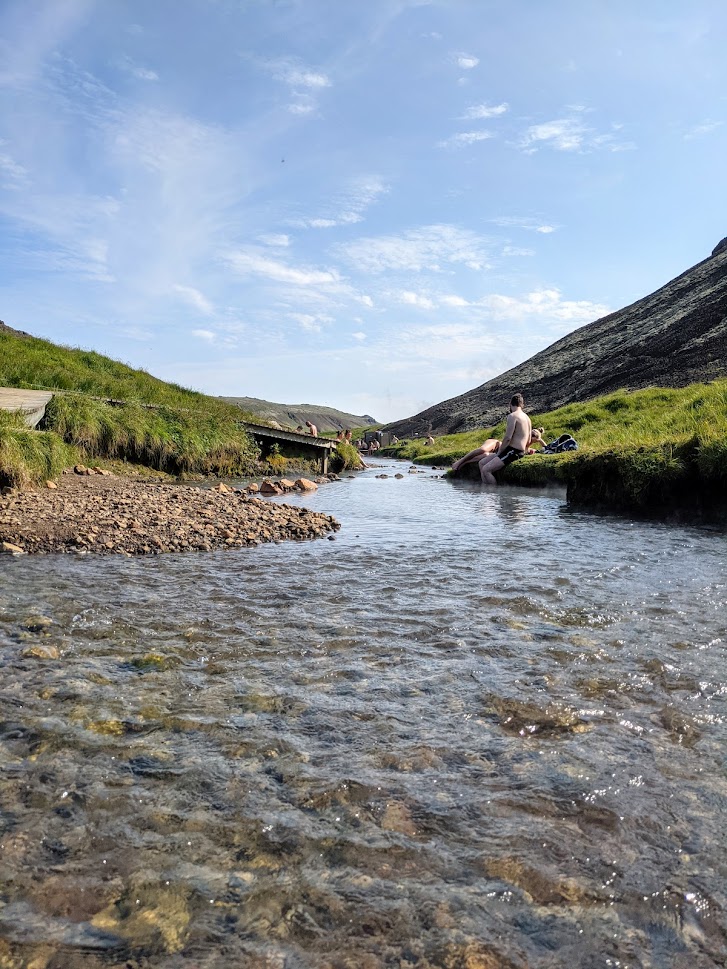
- I had enough time in the day to drive to Reykjadalur thermal river. This is an easy ~3km hike which ended with a flowing hot spring at the end! Definitely bring a swimsuit and towel (and a beer if you have one). The hike itself has great vistas and valleys too.
- Finally, established camp after hiking down in the nearby town.

Day 2:
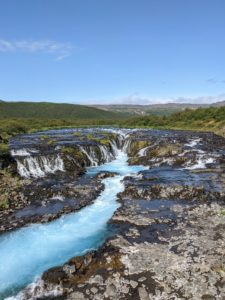
- Went to Bruarfoss Waterfall hike, which was quite short in total, with the ending being a beautifully blue waterfall. There were two other waterfalls on the hike.
- Stopped at Urriðafoss. It’s one of the largest in Iceland, but honestly not so photogenic, and I’ll skip the picture.
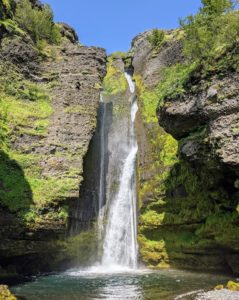
- Took a slight detour from the Highway 1 and stopped by Gluggafoss. This is a unique waterfall, where it goes through “windows” of rocks and creates a neat effect.
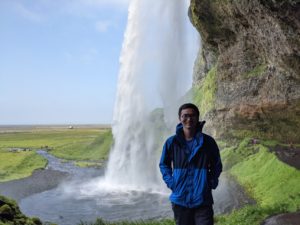
- Next waterfall on waterfall day was Seljalandsfoss and Gljufrabui. The former can be seen driving along the road and is huge in size. The cool thing here is that one can walk behind the cascading water. The later is a short 500m hike north and is a waterfall nestled inside a cave. Super neat. (Got free parking here since some nice Samaritan gave me their display tag which lasts the whole day).
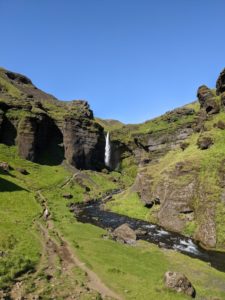
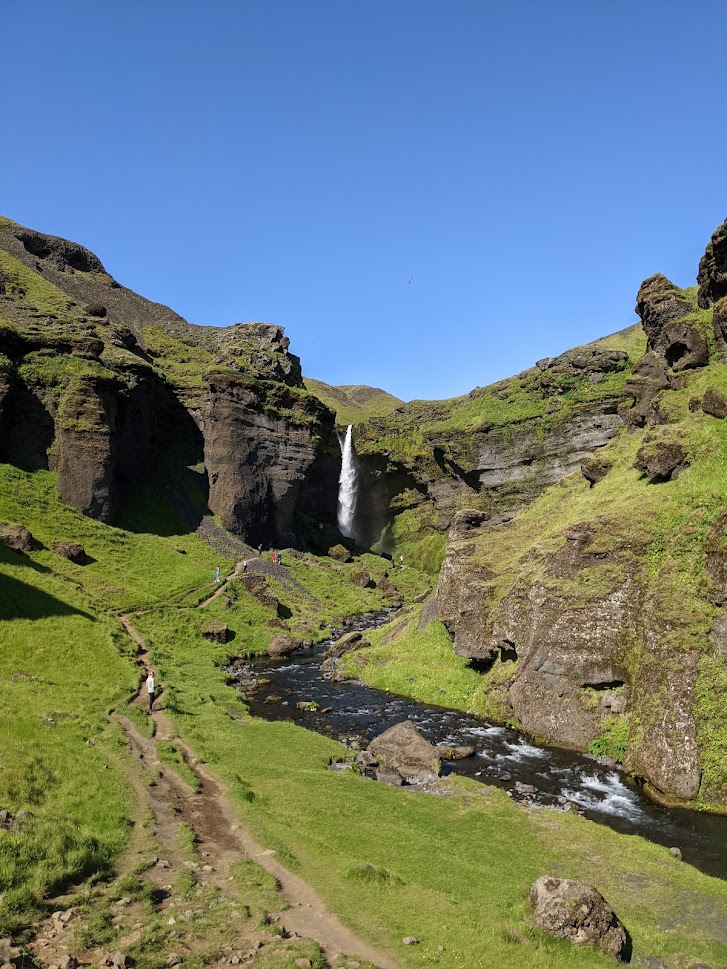
- Then, went to the Skogar area with several different things to do. First, there’s a small, hidden valley-esque waterfall called Kvernufoss which I did. One has to park in a museum parking lot and hike 500m to see a beautiful valley with another waterfall that one can walk behind.
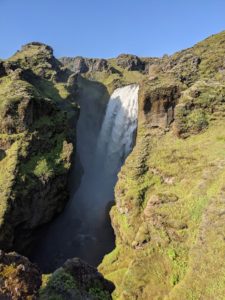
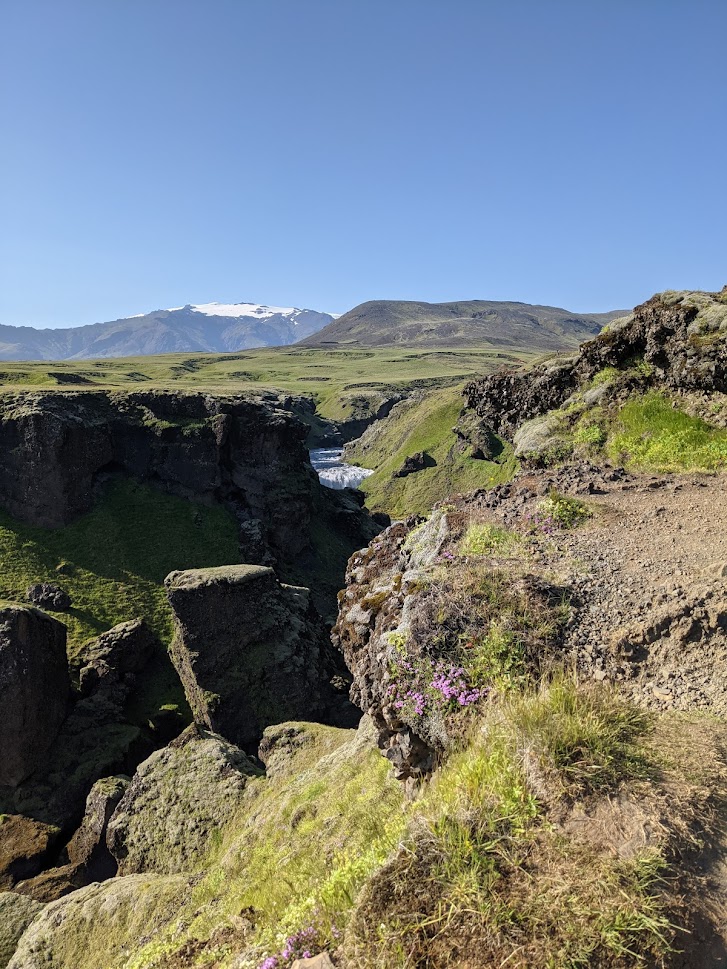
Fortunately, Kvernufoss is right by Skogafoss, a monolithic waterfall. But, the best part of this, is that it is right by the Fimmvorduhals Trailhead, an incredible trail with over 26 waterfalls along the way. I only hiked 2.5kms of it and was thoroughly impressed with the views.



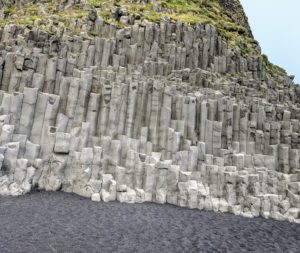
- Long second day ended with trip to Reynisfjara Black Sand Beach. At the time, I was super impressed with the color, but it turns out that these types of beaches are a dime a dozen across Iceland. Rather, the things I found cool was the flow of the ocean through the sand bars and the basalt formations. There are two parking spots, and both are worth visiting. The one to the west allows a few point of an arch, and the eastern allows one to actually walk on the beach.
- For the evening, I drove all the way to Þakgil, which is a campsite that is quite a ways away from civilization. I didn’t realize the roads were all gravel for 15kms. The campsite was okay in terms of facilities, but it was super crowded and the coldest shower I’ve taken in Iceland. It’s definitely a place where a ton of locals go.


Day 3:
- Started off with learning how to operate the tire pump at an Icelandic gas station. That was fun.
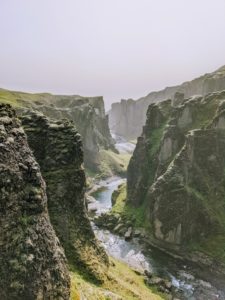
- For some reason, there was a dust storm along where I drove. Visibility was reduced, and everything was a pale yellow shade. The first stop for the day was Fjaðrárgljúfur canyon. The dust did reduce the visual impact, but it was beautiful nevertheless. It honestly looks like something out of a postcard.
- I skipped a few sights to gun for the glacier. I should’ve took my time as there were several sights I skipped (see list below). I first stopped at Fjallsárlón which was a glacial lagoon. This area just reminded me of Alaska as a whole.
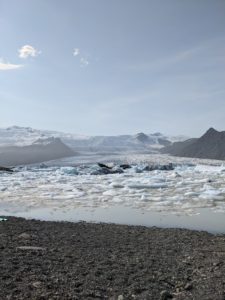
- The natural next stop is Diamond Beach and Jökulsárlón glacier lagoon. This is a much more impressive stop than Fjallsárlón and was also had more of a crowd. A really magical place to be honest, and pictures don’t do it justice. Bring something warm to wear here.

- To camp, I drove up to Stokksnes. I found this cute little campsite which was by a mountain and black sand beach. It was absolutely beautiful. Included with the campsite was a visit onto an abandoned film set. It was… interesting, but the nature was prettier.


Day 4:
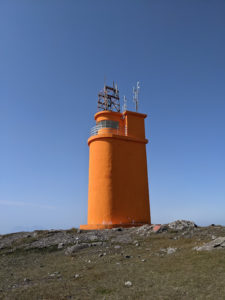
- Day of driving basically. Had a few stops along the way. The first was a cute little orange lighthouse Hvalnes Lighthouse.
- Next, was a series of sculpture eggs. I was not impressed. No pictures will be shown of this site. Another site was Sveinsstekksfoss… but I also was not impressed and pictures were not taken.
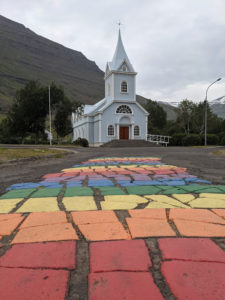
- Proceeded to Seydisfjordur, which was a cute little town. I wished I spent a bit more time/money here exploring the culture, but just walking around felt nice.
- Finally, camped on the far eastern village called Borgarfjörður eystri, which only has a population of around 100. One of which is an American expat who runs the camping ground. The campground was incredibly packed as there happened to be a music festival that day 🙁


Day 5:
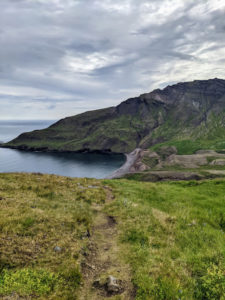
- Started with a five hour hike around Borgarfjörður eystri. The owner of the campground told me of a great path to hike around, and the fjords were beautiful on a sunny day.
- I skipped two waterfalls which are pretty famous (see below) in order to make time for Westfjords, but the north of Iceland is pretty desolate in terms of population.
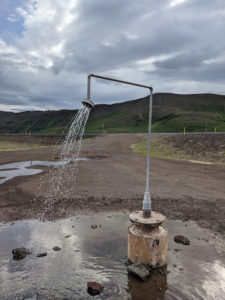
- Went to Leirhnjukur (quite cool; old lava field), Krafla crater (not as cool, essentially water in a round hole… which I guess is exactly what a crater lake is), and a shower head that doesn’t stop (cool, but it’s warm water *rimshot*).
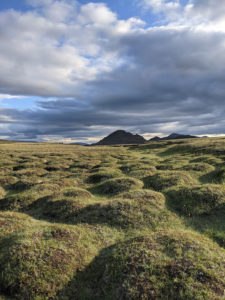
- Camped by Lake Myvatn. SO MANY GNATS. It was very annoying, but they do go away when the wind gusts, which is often.


Day 6:
- Decided to treat myself, and reserved a “beer spa.” Before that, I stopped at two places along the way: Dimmuborgir and Skútustaðagígar. Dimmuborgir is an unique lava field with formations that are incredibly tall. The other site was a bunch of craters, which I didn’t like too much.

- The beer spa was quite fun actually. A very unique experience. I arrived early to first soak in the beautiful outdoor hot tubs before going in for the beer spa. The beer spa consists of young beer, hops and spent yeast meaning it has a floral smell with hints of beer. After the soak, I went to the “relaxation” space upstairs to nap it off. Included with the price is unlimited beer. The actual soak was also revitalizing.
- In the afternoon, I took a long detour around Trollasakgi Peninsula. In hindsight, seeing as I was going to Westfjords, this part was kind of redundant as the Westfjords were more beautiful with similar scenery.

- Camped at Varmahlio for the night. It had a trampoline to jump on, but I slipped and lightly scrapped my knee…
Day 7-8:
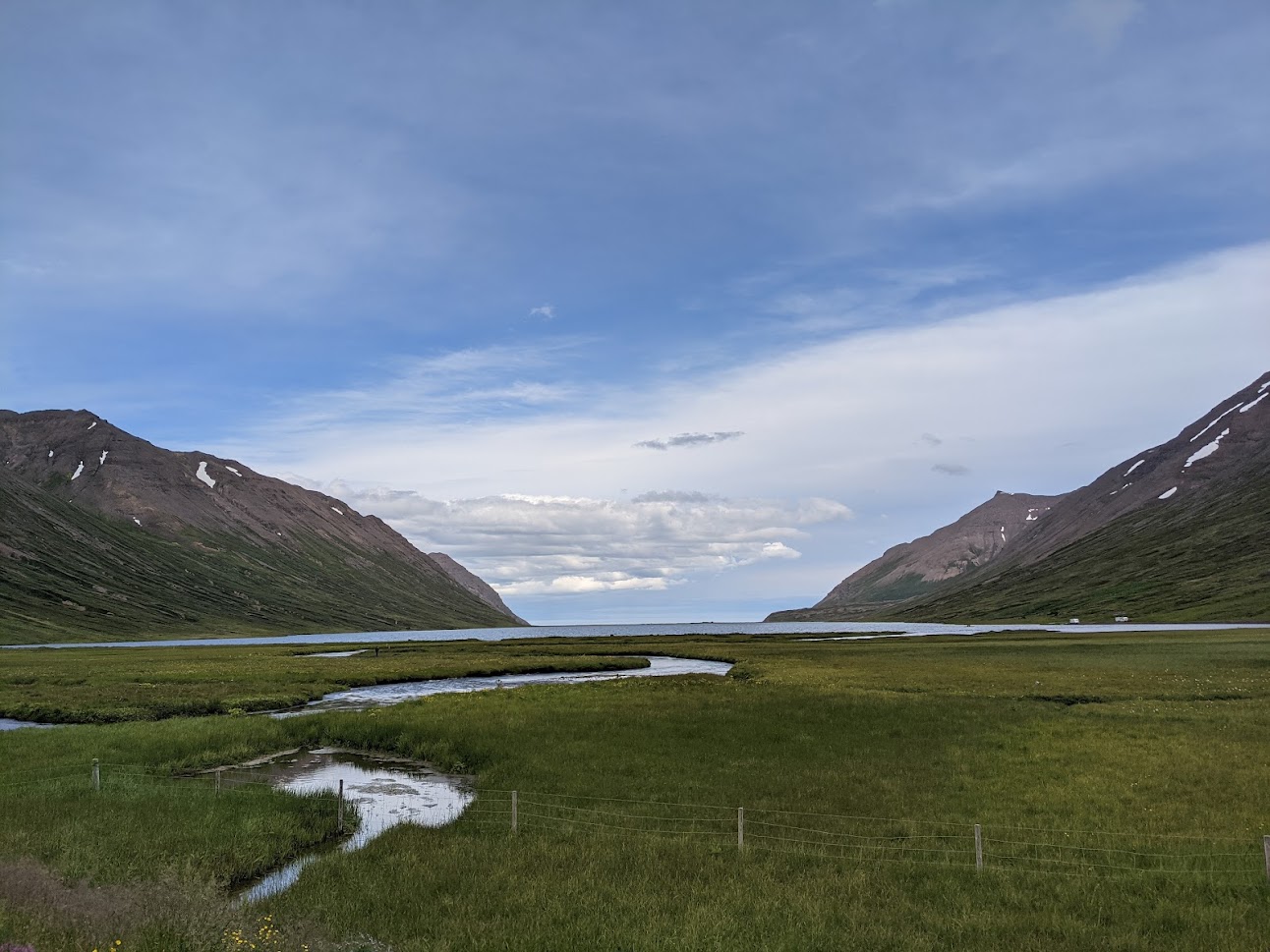
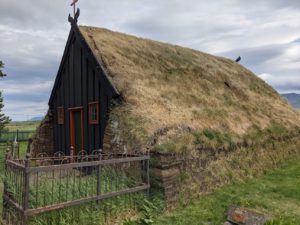
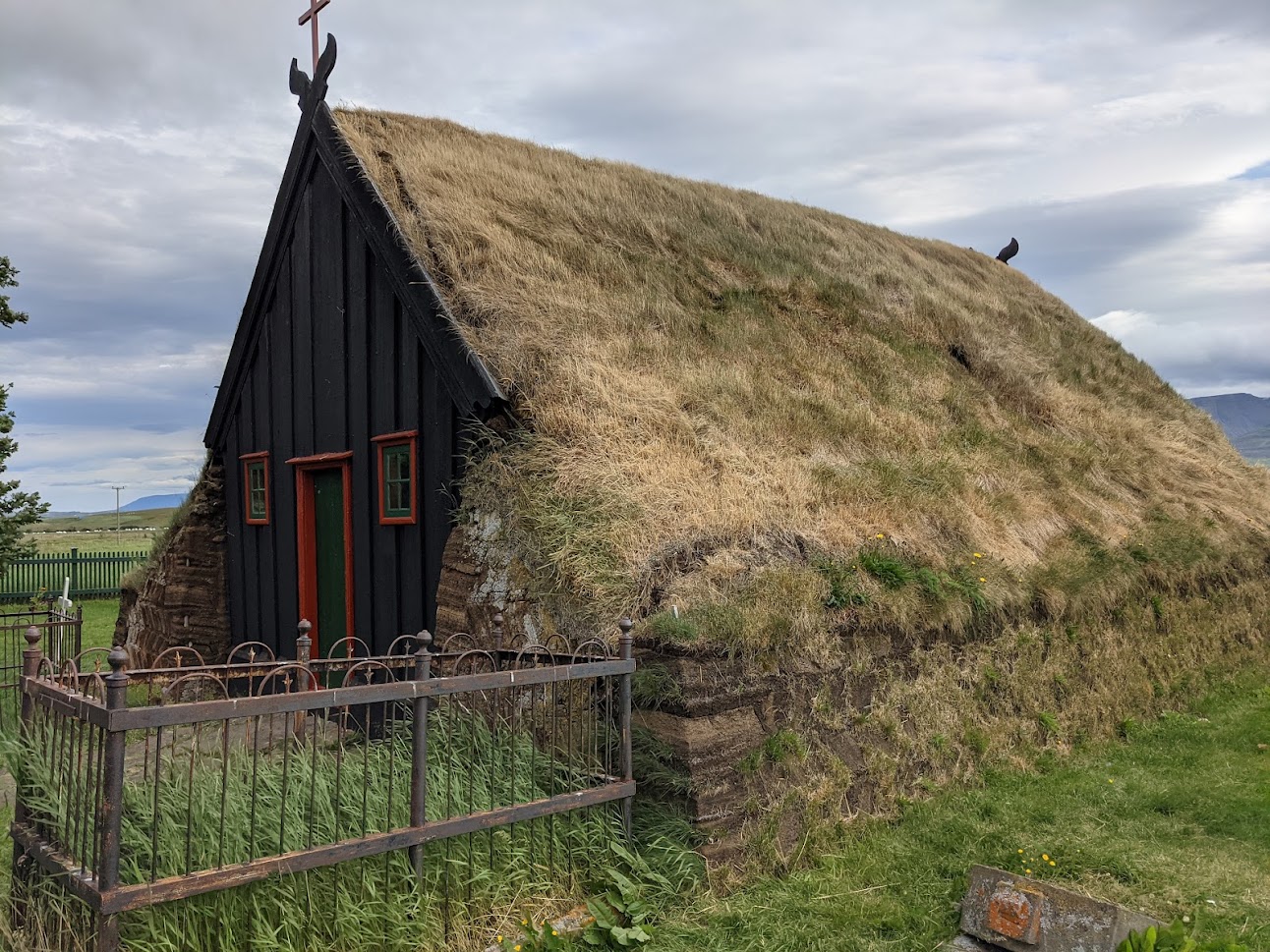
- A lot of very slow, scenic driving through the Westfjords. The roads were not that bad with the first day consisting of only paved roads I believe. There was even a Bonus at Ísafjörður, near where I camped. On my way there, I stopped by a turf-covered church in Víðimýri.
- After that, went to Kolugljúfur canyon. It was… okay in the grand scheme of things. Nothing to scoff at, but also nothing to write home about.

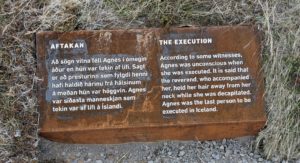
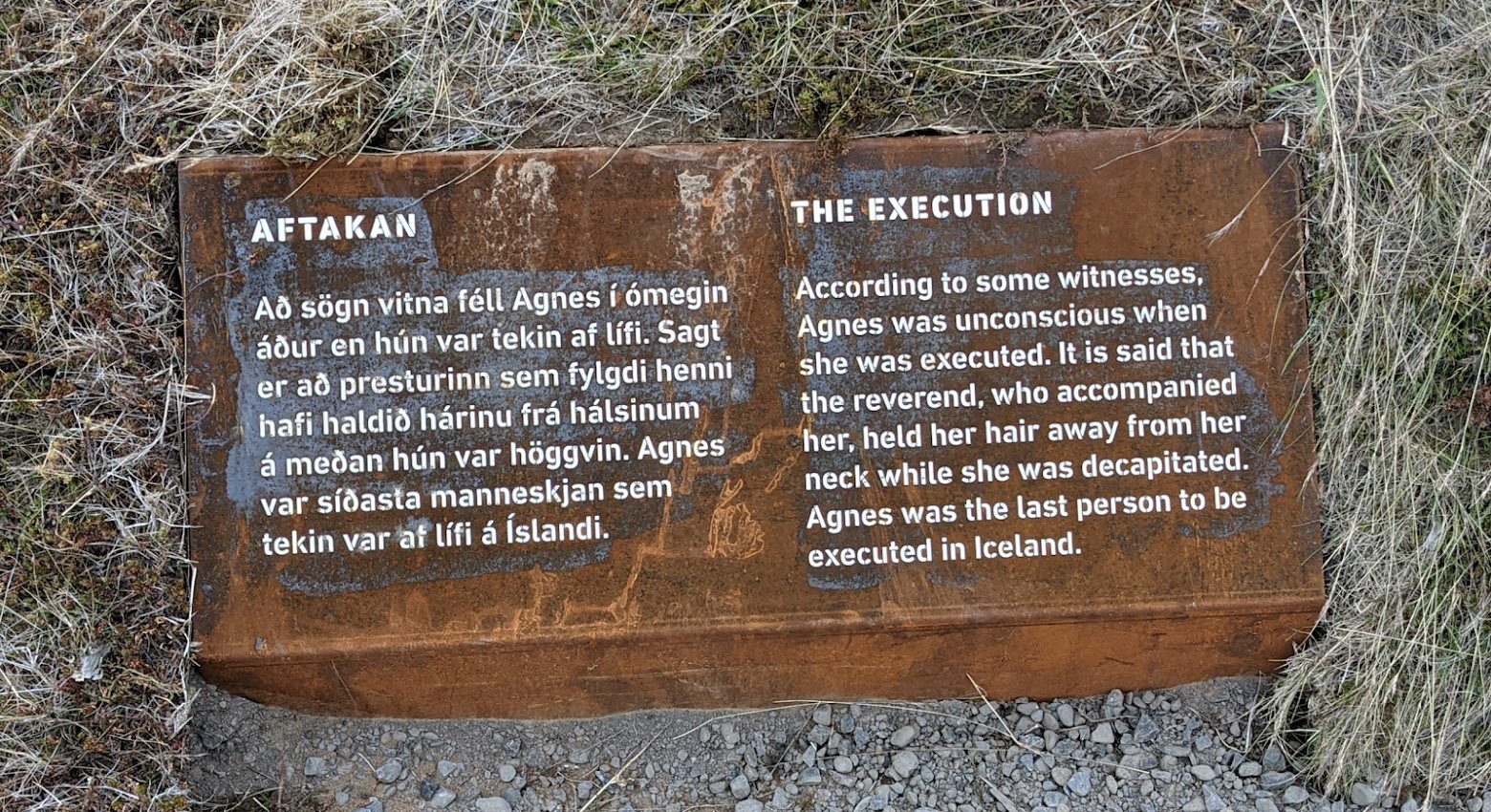
- Oh, and I also stopped at the place where the last execution took place in Iceland.
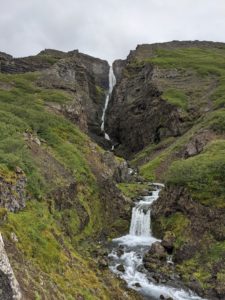
- In the actual Westfjords, I stopped at Valagil, a very short hike to another waterfall.
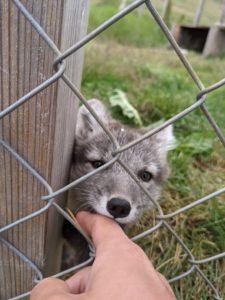
- Played with an artic fox:
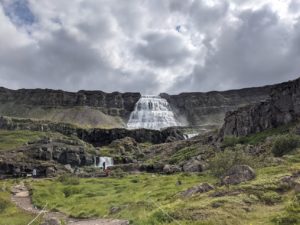
- And saw the most majestic waterfall on the trip Dynjandi. This was one of the most awe-inspiring moments on the trip. I really cannot express how majestic this waterfall was in person, and I easily spent 2 hours here even though the trail was <15 minutes.
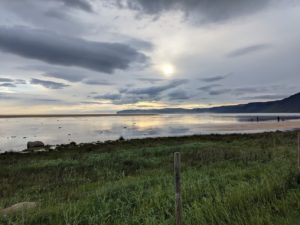
- A red sand beach Rauðisandur. I blundered on this attraction as one should go in low tide. I went at high tide and the sun was actually not up. Luckily, there was a campground right by it and I got to see more of the red/yellow/orange hues later on.



Day 9: Unfun. Windy. Wet. Worse day. Stopped at a church again and a place called Paradisalaut. Unimpressed by either. Made it onto the Snaefellsnes Peninsula for camp. Actually met up with a crew of motorcyclists and a backpacker from a different camp.
Day 10: Incredibly long day for me.
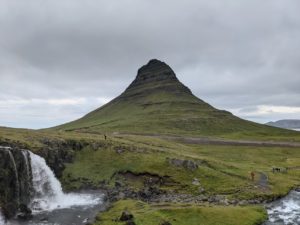
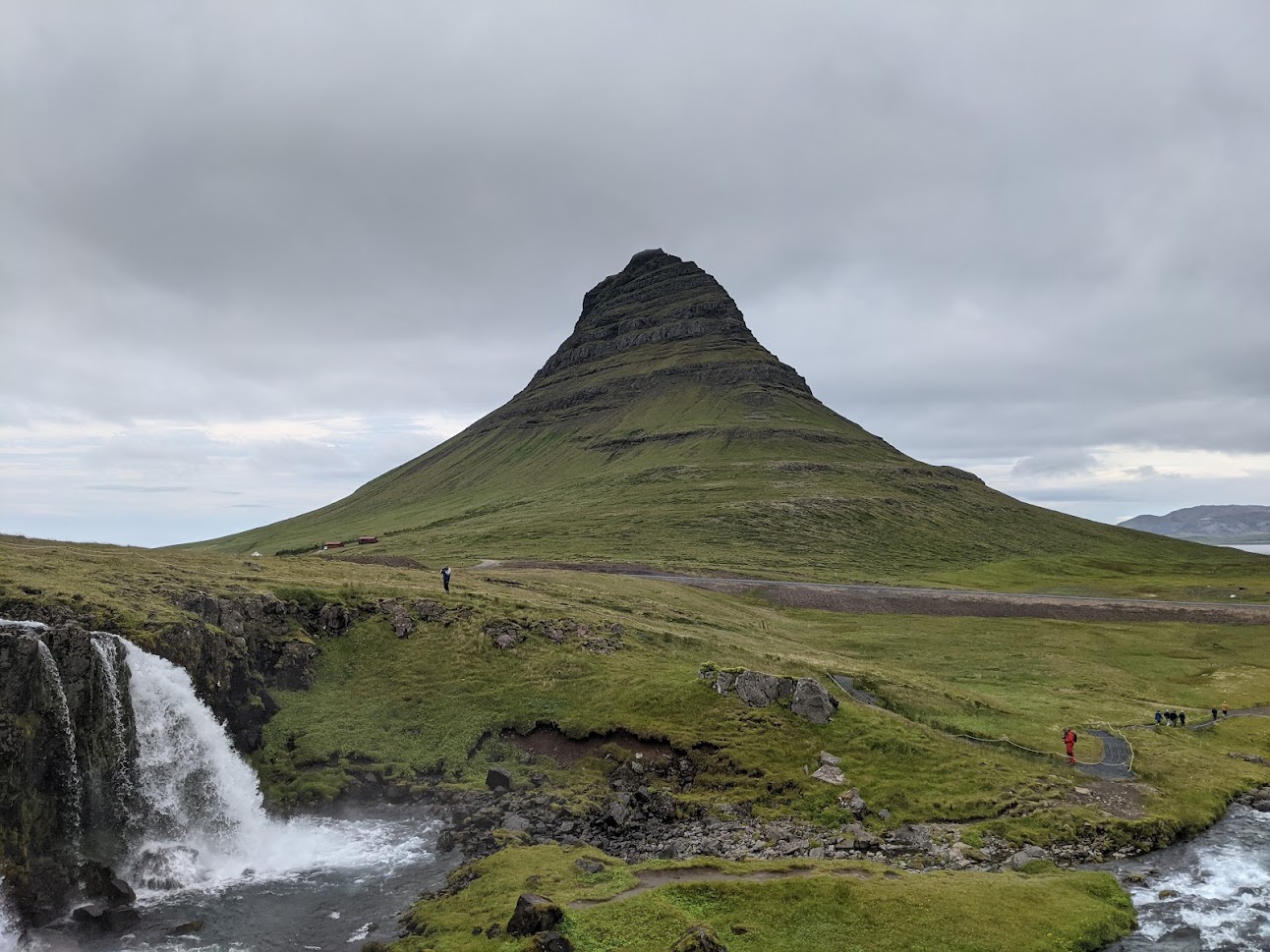
- First, with a new friend, climbed Kirkjufell mountain. Unfortunately, it was cloudy, but the hike was really fun with incredible views. It was also very scary and I only recommend it for folks with steady feet and hands. I bailed at the ropes section….
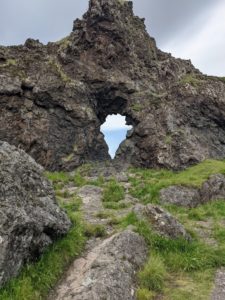
- Next, a lot of stops in Snæfellsjökull National Park, which was basically Iceland in a nutshell.
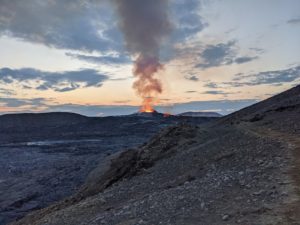
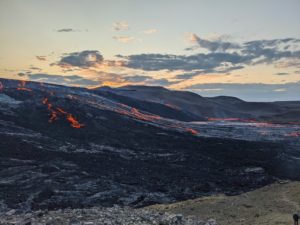
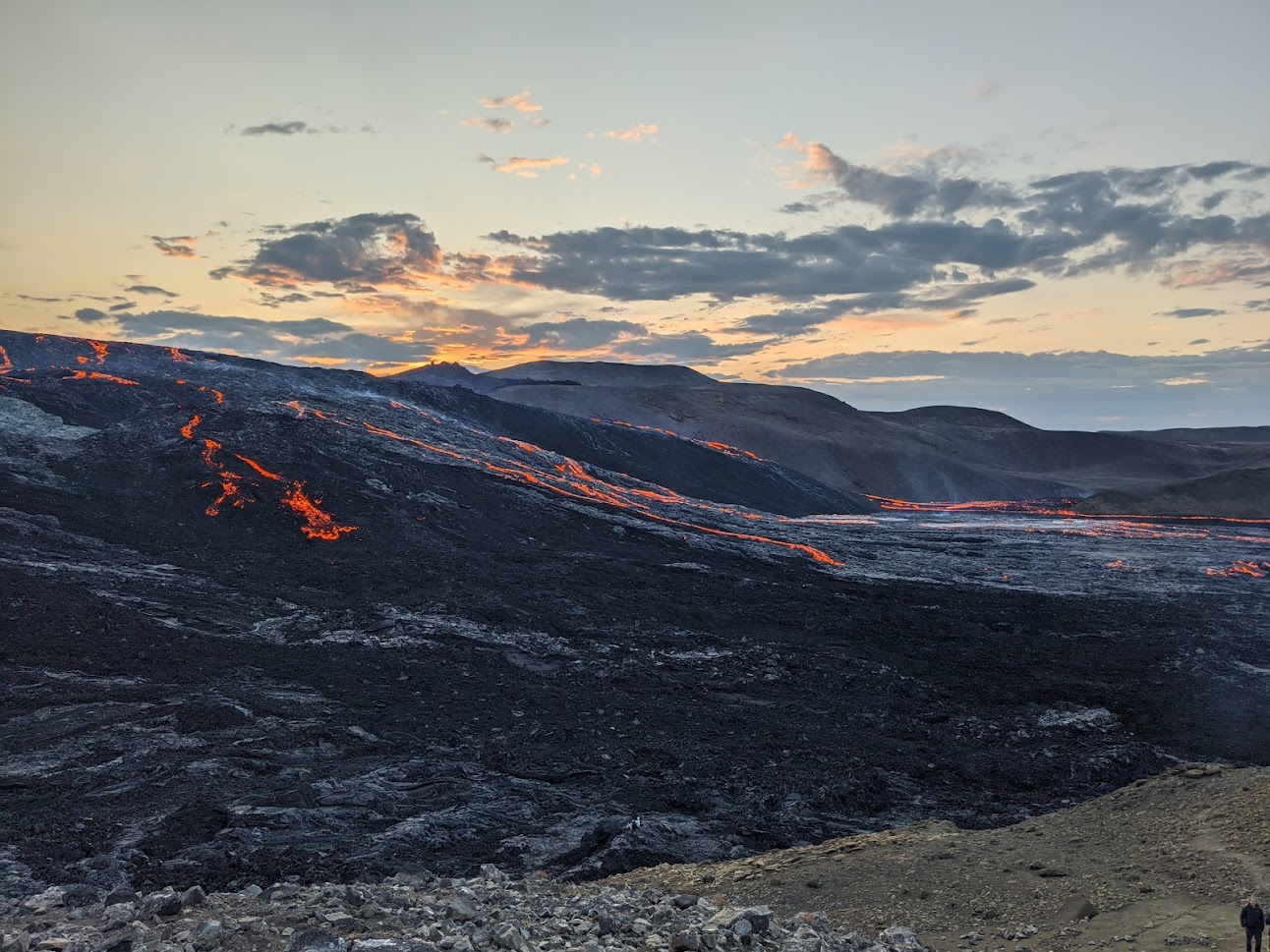
- AND THEN THE HIGHLIGHT OF THE DAY WAS WHEN I SAW THE ERUPTING VOLCANO.


Last day:
- Went around the capital ate some hot dogs and fermented shark. The places where I went are fairly standard and I’m tired.
Tips for trip:
- Pack some sort of cooler to store fresh food. I had to turn off my foodie brain and eat a lot of canned food on the trip. Fresh food was a luxury only when I stop at a grocery store. It was nasty in hindsight.
- Rent/pack foldable chair and table – many campsites have tables, but they’re usually occupied.
- Other things I wish I had: small amount of bug spray or bug net for Myvatn area, sunglasses or hat to block the rays, organizing bags for clothes in car, perhaps some backpacking meals.
- Roads in Iceland suck, the gravel roads are everywhere and terrible. Also, learn what a roundabout is.
- Perhaps rent an AirBnB or hostel bed for the last night. Packing up a tent in the morning is stressful and puts a damper on the vacation.
Places where I wished I went:
-
- Svartifoss
- Ásbyrgi Canyon
- Grjótagjá
- Góðafoss